
0%
Loading ...

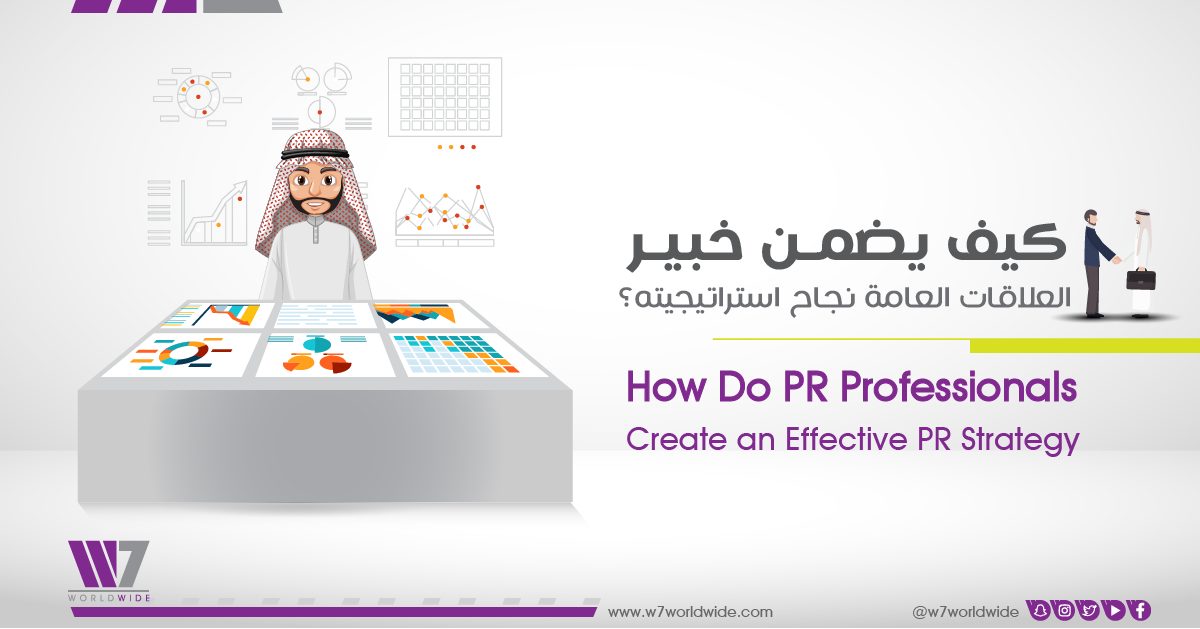
A PR strategy is the plan that decides whether a PR campaign succeeds. The success of any campaign depends on the planning behind it, and the core of good planning is a sound strategy: a detailed plan of action made up of specific tactics, chosen to support short-term or long-term goals. It covers setting goals, deciding the actions that will achieve them, and putting the resources in place to deliver those actions. In other words, a PR strategy is the first step in creating a PR campaign.
Many companies underestimate the importance of a strong PR strategy and keep working with the same plan for years. However, a PR strategy, like the company’s goals and performance, needs to be reviewed and updated regularly. Below are the six building blocks PR professionals use to create an effective one.
Why are you laying out the strategy? What is its purpose? The job of a PR professional is to find out what the business is trying to achieve and turn it into clear, specific goals. The business might need PR support to launch a new product or service, increase its web traffic or generate leads. It may be entering a new market or seeking to influence its stakeholders. Take time to understand the objectives, then align your strategy with them.
After the “why”, PR professionals should look at the who, what, where, when and how of the strategy. Who is the strategy aimed at? In other words, who is your audience? When you know who you are speaking to, you know how best to tailor your message.
Next, what do you want to tell them? Your messages should support your PR goals, and different audiences and media may need different messages. Then decide where you want to talk to them. Younger consumer audiences are best reached on social platforms such as Instagram, Snapchat, TikTok and X, while corporate and business audiences are better reached through newspapers, business media and professional platforms such as LinkedIn.
Then decide when to act. Find out the most suitable time for journalists to attend a press conference, or which time slots drive the most engagement on social media, and set timelines that keep you ahead of schedule. Finally, how will you do it all? Which tactics will you use to reach your goals? Will you hold a press conference, or will a press release be enough? Will you sponsor an event, pitch a speaking opportunity for the CEO, or both? How you execute the plan will decide how much exposure your brand gets.
A fundamental part of a PR professional’s job is monitoring what is being said about the brand, its competitors and the industry. A lot of time and research goes into building an effective PR strategy. The right research lets you produce campaigns that connect with your target audiences and support the company’s goals.
Measuring the outcome of a campaign against its goals shows what you have achieved. Online tools make it easier for PR professionals to measure performance and prove a campaign’s contribution to the business. Measuring results helps you track a campaign’s performance, repeat what worked, learn from what did not, and allocate budgets accordingly. The communication industry’s Barcelona Principles are a useful reference for measuring outcomes rather than just outputs.
The PR, marketing and advertising departments of a business are separate but connected. When their campaigns are not coordinated, goals go unmet and the company can even be publicly embarrassed. Make sure your PR strategy and activities support the targets set by the marketing and advertising teams, and vice versa, so the business gets the most from their combined efforts. The focus should always be on shared corporate goals: growing the business and strengthening the company’s reputation.
A good PR strategy prepares for the possibility that something goes wrong, so the business can respond calmly and efficiently. The aim is to avoid knee-jerk reactions that could cause further damage, and to reassure stakeholders and customers that the situation is under control. That is done through clear messages, delivered professionally, through the right channels.
In Saudi Arabia, the same building blocks apply, with a few local priorities. Plan messages in both Arabic and English, since audiences, journalists and decision-makers often use both. Map the media that matter to your audience, from Arabic-language outlets such as Al Riyadh, Okaz and Sabq to English-language titles such as Arab News and Saudi Gazette. Build your calendar around national moments such as Founding Day, Saudi National Day and Ramadan, and show how your story connects to the priorities of Vision 2030.
An effective PR strategy is never finished: set clear goals, know your audience, base decisions on research, measure what you achieve and review the plan as the business changes. If you are looking for a PR agency in Saudi Arabia to help build yours, explore our PR and communications services or see how W7Worldwide has supported organizations in our case studies.